Type 2 diabetes
Type 2 diabetes (T2D) is the most common form of diabetes — it accounts for about 90% of all diabetes cases. It is based on insulin resistance and a gradually decreasing ability to produce insulin. This article explains the disease mechanism, risk factors, symptoms, diagnosis and modern treatment options.
What is type 2 diabetes?
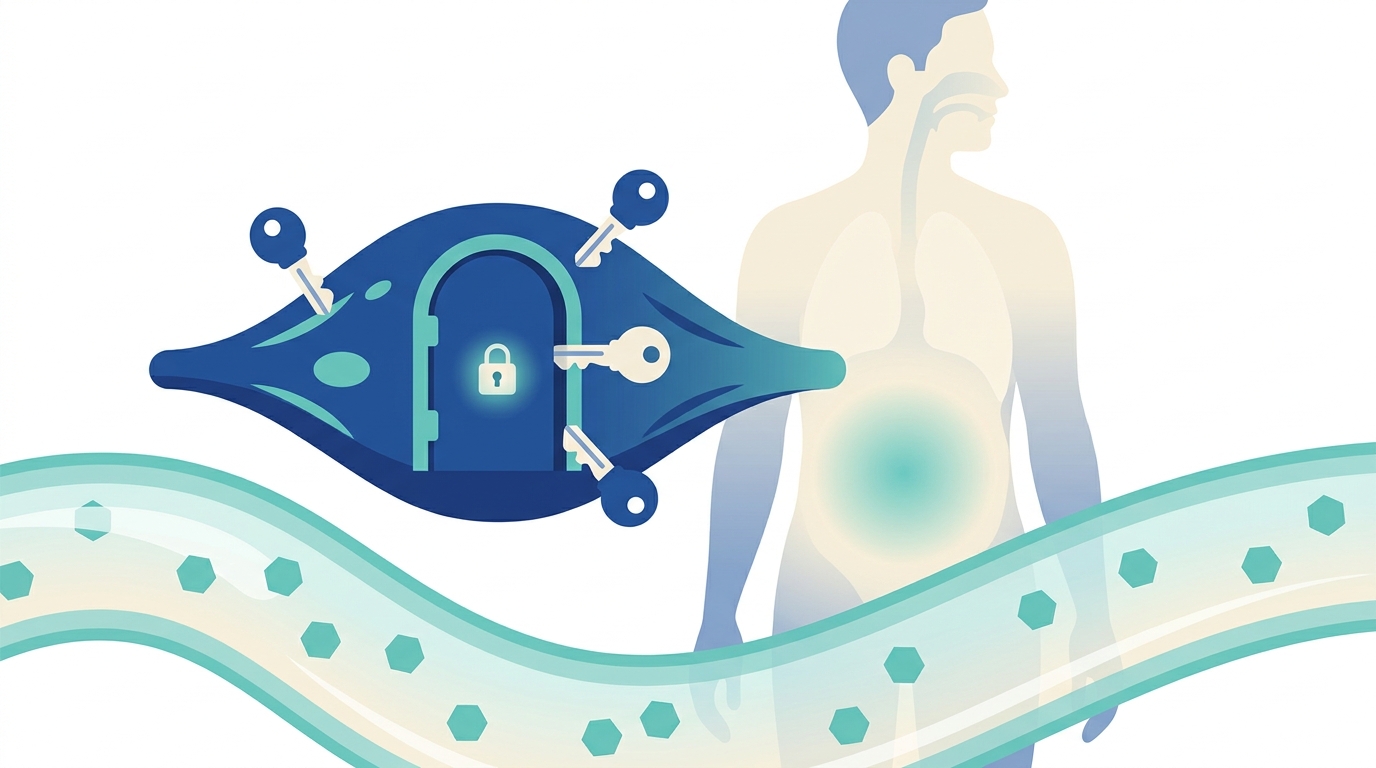
Type 2 diabetes is a chronic metabolic disease in which the body's cells become insensitive to insulin (insulin resistance), and the pancreas cannot produce enough insulin to compensate. Blood glucose is persistently elevated, gradually damaging blood vessels, nerves and internal organs.
About 90,000 people in Estonia have T2D, and an estimated 30,000–40,000 more are ill without knowing it. Worldwide, diabetes has become one of the greatest public health challenges of the 21st century — the number of patients has tripled over the past 30 years.
Risk factors
Type 2 diabetes develops from a combination of genetic predisposition and lifestyle factors. The most important risk factors are:
- Age over 45 years
- Abdominal obesity (waist circumference > 94 cm in men, > 80 cm in women)
- Physical inactivity — less than 150 minutes of active exercise per week
- A close relative (parent, sibling) with type 2 diabetes
- In women — history of gestational diabetes or polycystic ovary syndrome
- Elevated blood pressure (≥ 140/90 mmHg)
- Dyslipidaemia — low HDL cholesterol and high triglycerides
- Previously diagnosed prediabetes (HbA1c 5.7–6.4% or fasting glucose 5.6–6.9 mmol/L)
Pathogenesis: why does blood sugar rise?
Type 2 diabetes usually develops over years through the interaction of two main mechanisms:
- Insulin resistance — liver, muscle and fat cells fail to respond properly to insulin. The pancreas initially compensates by producing more insulin.
- Beta-cell exhaustion — over time the pancreas can no longer produce enough insulin. Blood glucose starts to rise and diabetes is diagnosed.
Other mechanisms also play a role: increased glucose production/release by the liver, impaired gastric emptying, disturbed gut hormone (GLP-1, GIP) secretion and impaired brain mechanisms regulating glucose levels. That is why treatment is multifaceted and targets several mechanisms at once.
Symptoms
The onset of T2D is insidious — symptoms develop gradually and can go unnoticed for years. The most typical are:
- Increased thirst and frequent urination
- Constant fatigue
- Blurred vision
- Slow-healing wounds, especially on the feet
- Frequent skin infections and fungal diseases (in women especially yeast vaginitis)
- Reduced sensation or tingling in the feet (early neuropathy)
- Dark patches of skin on the neck and armpits (acanthosis nigricans)
In many patients T2D is found through routine tests or only when complications appear (heart attack, foot ulcer, vision loss). For this reason, we recommend checking HbA1c every 2–3 years after the age of 45 — annually in high-risk groups.
Diagnosis
A diagnosis of diabetes is made based on one of the following criteria (confirmed by two separate tests if symptoms are absent):
- HbA1c ≥ 6.5%
- Fasting blood glucose ≥ 7.0 mmol/L
- 2-hour blood glucose ≥ 11.1 mmol/L in an oral glucose tolerance test (75 g glucose drink)
- Random blood glucose ≥ 11.1 mmol/L together with classic symptoms
Prediabetes (HbA1c 5.7–6.4%) means blood sugar is higher than normal but does not yet meet diabetes criteria. Timely intervention — diet change, 7–10% weight loss and regular exercise — can delay the onset of diabetes by years or decades.
Treatment: step by step
T2D treatment is individualised but follows a defined sequence:
1. Lifestyle changes
Improving diet, regular exercise and 5–10% weight loss are the foundation of every treatment. Several studies (Look AHEAD, DiRECT) have shown that significant weight loss can lead to complete remission of T2D — especially in the early stages.
2. Metformin
Metformin is usually the first-line drug. It reduces glucose production/release in the liver and improves insulin sensitivity. It is inexpensive, safe and even has a proven cardioprotective effect. Typical dose is 1500–2000 mg per day.
3. Additional drugs based on patient profile
- SGLT2 inhibitors (empagliflozin, dapagliflozin) — eliminate glucose through the kidneys and protect the heart and kidneys.
- GLP-1 agonists (semaglutide, liraglutide, dulaglutide) — injectable drugs that slow gastric emptying, reduce appetite, lower blood sugar and body weight.
- DPP-4 inhibitors (sitagliptin, linagliptin) — strengthen the body's own GLP-1 effect.
- Sulfonylureas (gliclazide, glimepiride) — stimulate insulin production.
- Insulin — when other therapy is no longer effective or beta-cell function has significantly declined.
Complications
Long-term high blood sugar damages both large and small blood vessels. The most common complications are:
- Microvascular: retinopathy, nephropathy, neuropathy
- Macrovascular: heart attack, stroke, lower-limb atherosclerosis
- Foot ulcers and diabetic foot — can lead to amputation
- Fatty liver and liver cirrhosis
- Various infections
That is why diabetes care is multifaceted — in addition to blood sugar we also monitor blood pressure, cholesterol, kidney function and weight.
Regular monitoring: what and how often?
- HbA1c — every 3–6 months
- Blood pressure — measured regularly at home, target < 130/80 mmHg
- Lipids (LDL, HDL, triglycerides) — once a year
- Albumin/creatinine ratio (microalbuminuria) — once a year
- Retinal photography — every 1–2 years
- Foot check (sensation, ABI index) — once a year
- Body weight and waist circumference — at every visit
When to come to our clinic?
If you have been diagnosed with T2D or prediabetes, or feel that you need professional help managing diabetes, book an appointment at Tallinn Endocrinology Clinic. We offer:
- Endocrinologist consultation — treatment planning and adjustment
- Diabetes nurse consultation — nutrition, injection and sensor guidance
- Retinal photography and ABI index measurement on-site
- Oral glucose tolerance test to refine the diagnosis
Need personal advice?
The endocrinologist and nurses at Tallinn Endocrinology Clinic will help you manage diabetes — book online, by phone or by e-mail.